

I have a mental illness.
It’s hardly the nicest thing about me, but it’s certainly one of the biggest. Whether I like it or not, it’s my daily companion. We go everywhere together, taking part in the same activities, joining in the same conversations. Hell, we sound like the best of friends. Except your best friend doesn’t spend all of their time trying to kill you.
I think the anxiety started first. I say ‘I think’ because, at this point, I’m relying solely on the memory of a long lost 10 year old. The sheer awkwardness of ‘being’; feeling out of place, or out of sync with things, no matter the situation. The feeling only expanded and grew as time went on, taking on such wonderful qualities as an inner monologue designed specifically to tell me just how bad I was at everything, and an excessive heart rate (with added excessive sweatiness-sexy, I know) at even the thought of having to go outside. I simply learned to live with it over the years, and found different ways of avoiding the world as best I could. From walking back roads to avoid the crowds, to (many years later) drowning out the noise with alcohol and drugs, I became pretty adept at deflecting all things Life.
The depression came quietly, like an enemy sneaking in under the wire. The ever-present anxiety created enough persistent noise and doubt, I barely noticed the arrival of this void that seemed to slowly pull me in. Like a black hole had silently taken up residence at the centre of my heart, pulling in every emotion it found, growing larger all the while. It left behind it a daily routine of little to no energy, diminishing desire, and a general hopelessness that, eventually, would pervade every waking second of my life. Combined with the not-very-good-at-all ideas I had in “taking care” of the anxiety, this was a picture perfect downward spiral in the making.
The two go hand in hand for most, depression and anxiety. Once they’ve been together long enough, it becomes difficult to tell them apart. The medical community commonly combines them, although I do know a few who suffer one but not the other. Starting so early in my life, I’ve had difficulty remembering a time without them. They’ve been as much a part of me as my own limbs. I lived with them, undiagnosed, for over 20 years. This is an incredibly, brutally long time to live with something like this alone. That I’m still here genuinely shocks me at times. It affected everything; my social development, my education, my whole world. Everything suffered, and fell by the wayside. But after one too many breakdowns, and the realization that I really wasn’t going to be able to take it much longer, I reached out for help.
This is the first step. It’s a relatively simple sounding one, but it’s also the most important. And it can be difficult. Because you’re not just talking about it, you’re admitting that you need help. Not just to yourself, but out loud to the world, or at least to the person you’ve chosen to speak to. But, again, it’s important, and things DO get better after this, so do it. Trust me. Talk to your doctor, to your family or friends, talk to somebody. Just get it out.
I had the benefit of some very understanding people around me when I finally chose to speak. Not all people have this, and after going through what I did, I realize how much of a difference this can make. So if someone you know says something to you, chooses YOU to be their first contact, just listen. Listen to them, let them know they’re not alone and that you’ll help them. That’s it. That’s the whole beginning, and it can mean the difference between them starting down a new road or sinking back into the dark. You can make arrangements to visit their Doctor, or seek out a Psychologist or Counsellor afterwards, but just show them they’re not alone. If things are dire at this point, take them to the hospital. Yes, this is just as much an emergency as anything else, as a life hangs in the balance.
Most of the stigma surrounding this kind of thing, from what I’ve seen, stems from a lack of understanding, easily remedied by a bit of research and information. We have the internet now, so don’t be shy about looking into things on your own. Whether trying to better understand someone else’s situation, or your own, if you think you might need help with something. Finding blogs, like this one, is a good start as well. When you want information on something, go to the experts. The ones who live it every day.
And try not to judge anyone who suffers things like this. There’s an immediate change that happens with our perception when someone utters the words ‘mental illness’, and it’s commonly an unfavourable one. Having a disorder does not, in the majority of cases, equate to hearing voices, or having a predisposition to violence. There are people with this, mind you, and they need our help as well, it may just be harder to reach them. For most of us though, you’d never know there was anything wrong. We have faces we put on for the world when things are just too much, and we push through. We take things one day at a time, because that’s all anyone really has. We don’t want your pity, just your understanding. There will be days where it beats us. Keeps us locked up at home, unable to get out of bed, or even sends us to the hospital. It happens. Don’t freak out, just be there. The value of a shoulder or a hand cannot be understated. And it’s one of the simplest, most human things one can do.
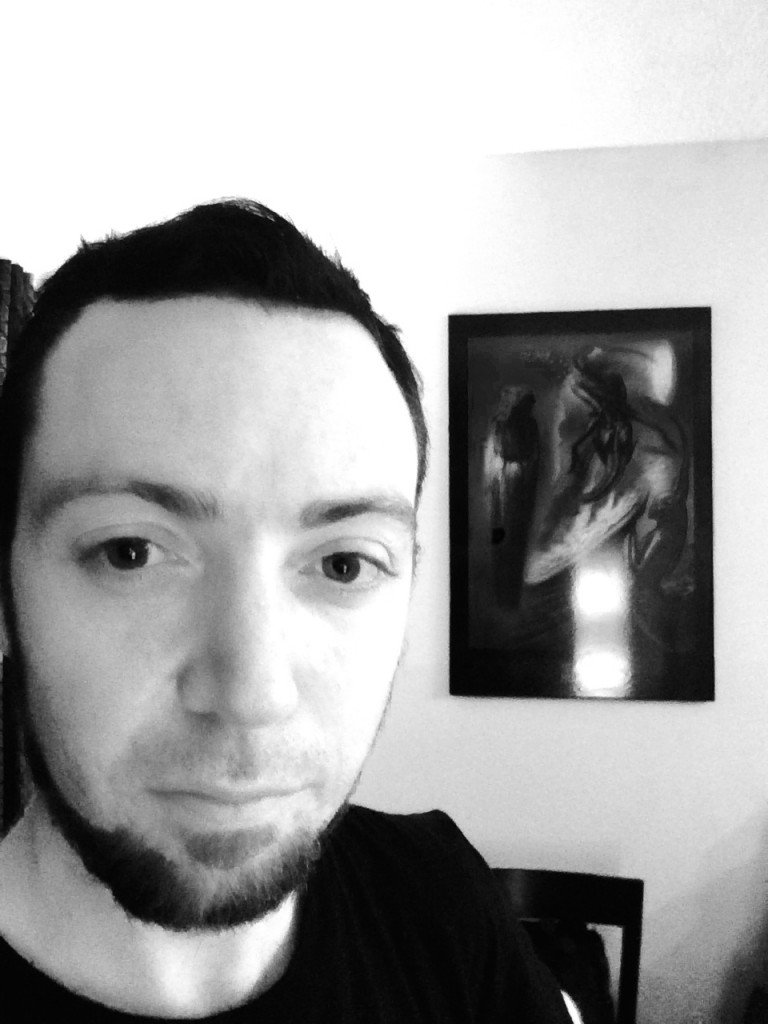
Derek S.
A 34 year old lover of literature, tea and technology, currently working in the Market Research industry.
Over-thinker of all life’s simplest things, and insanely jealous of his cats life.My blog was started as a form of self therapy, detailing my journey towards a happier life.Blog: http://www.lettersfrompangea.
Twitter: https://twitter.com/
Over-thinker of all life’s simplest things, and insanely jealous of his cats life.My blog was started as a form of self therapy, detailing my journey towards a happier life.Blog: http://www.lettersfrompangea.
Twitter: https://twitter.com/